Fraud Proof Legal Documents
-
Tuesday, February 10, 2026
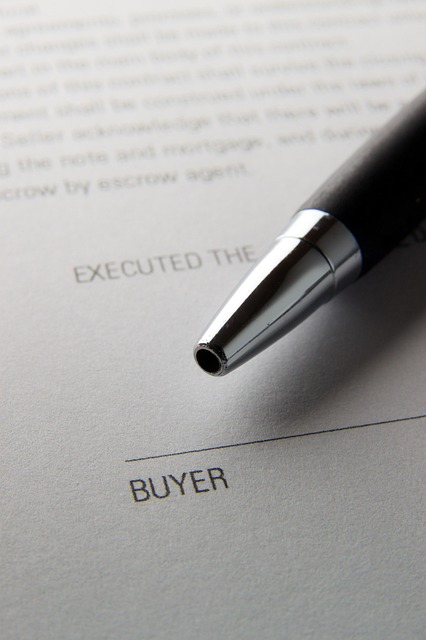
Fraud proofing your documents maybe the next most important thing to executing them. In today's age of technology, we are seeing more new and innovative ways someone can commit fraud. Whether you are an attorney or a layperson, you can mitigate fraud, conflicts, and potential legal proceedings that could be costly.
Desktop publishing is at an all time-high in the private sector, and many people are digitally drafting their own contracts, estate planning documents, deeds, and other legal documents. Some of which need to be notarized and/or witnessed. Notarization can provide a certain amount of fraud protection, but remember there are notary publics out there that will notarize documents illegally.
As a Notary Public for 20 plus years, and a Forensic Document Examiner since 2007, I have seen just about everything from forged signatures, altered contracts, page swapping, and everything in between. My goal here is to help everyone in keeping our documents protected from fraudsters and conflicts.
Note: I implore attorneys to erase any potential conflict of interest by not being a Notary Public on documents you were paid to draft. I know a one stop shop seems logical, efficient, and less costly to the client, but the reality is, it brings the attorney under unnecessary scrutiny. Having that third-party notary public ensures that the client is seen to have had intent and an interest in creating these documents by another person.
Note: Dating documents is another way to determine one's capacity and intent. I have seen where attorney's dated the client's date for them out of expediency, but this does not tell me if the person was even aware of what date they signed the documents. At the height of elderly people who are afflicted with Dementia and other neurological degeneration, this is a good way to show that the person wasn't just told to sign something that was placed in front of them without any knowledge of what is was. Just a suggestion...
These rules for drafting legal documents should apply to all:
1. Let's start with the paper - Use a heavier bond paper than standard computer paper so that if pages are swapped out, the difference can be weighed and determined.
2. Invisible Watermarks - Choose a paper that contains a watermark in the papermaking process that is invisible to the naked eye.
3. Visible Watermark - Most computer programs have the ability to create a watermark that is positioned on the document diagonally and it cannot be copied or reproduced effectively without issues.
Drafting your documents:
4. Use a Header - by double clicking at the top of the first page you can add information such as your name, address, date, or title of the document.
5. Use a Footer - by double clicking at the bottom of the first page you can add information such as page numbers or title of document. Pagination is a great way to determine if someone has swapped out a page because from one computer program to the next, it will not line up the same thus giving clues to the page swap.
6. Do not type in the date since it may be days between the drafting and notarization or signing of the document. Leave this area open for the signor to fill in when it is signed.
7. Adding statements such as where the document was executed, i.e., "Residing at" or Executed at" should be left blank, and hand printed by the attesting person at the time of execution.
8. Initial Lines - on the bottom right corner insert a line for initials on every page. Initialing each page makes recreating a page even harder since they now have to forge new initials too...
Signing you documents:
9. Washing of ink is a very real thing, and most pen ink can be removed with simple and easy to get chemicals. There is however a pen on the market that is pretty much impossible to remove all the traces of it which will leave behind tell-tale marks of alteration or obliteration. The Pilot 207 indelible ink is what I use for all my Notary Public acts and legal documents.
10. In California, a Will requires two witnesses who witness the signing of the testator and subscribe to a statement on the document. It does not require a notarization; however, this is an additional way to prevent fraud. The Notary Public should enter the subscribing witnesses into their journal along with the testator for additional security. The Notary Public is required to identify those witnesses in their journal which can assist in getting to the truth of the document.
If you find yourself with documents you believe are not legitimate, please feel free to reach out to me, and I can assist in determining if fraud is at play.
Be safe, stay safe, and keep safe...